∑ LLM Internals a learning center
LLM MECHANICS · INTERACTIVE

Learn how modern AI actually works.

From tokenization and attention to sampling, fine-tuning, RAG, and the math underneath it all — every topic is visual, interactive, and concrete. Work the full set and you'll understand these systems better than most people calling themselves experts.

Start with Tokenization Browse all 22 topics
22 of 22 built 5 categories · mechanics-first
live
self-attention · 1 head
AUDIO TUTOR · FOR CLAUDE & CHATGPT VOICE MODE
No time to sit and read? Learn it on a walk.
One copy-paste prompt turns voice mode into a Socratic tutor that drills you on all 22 topics — diagnostic first, real numbers, honest pushback. Entirely hands-free.
Get the prompt
THE FULL CURRICULUM

22 topics. 5 categories. Mechanics first, metaphors second.

01

The Basics

How text becomes vectors, and how vectors attend to each other.
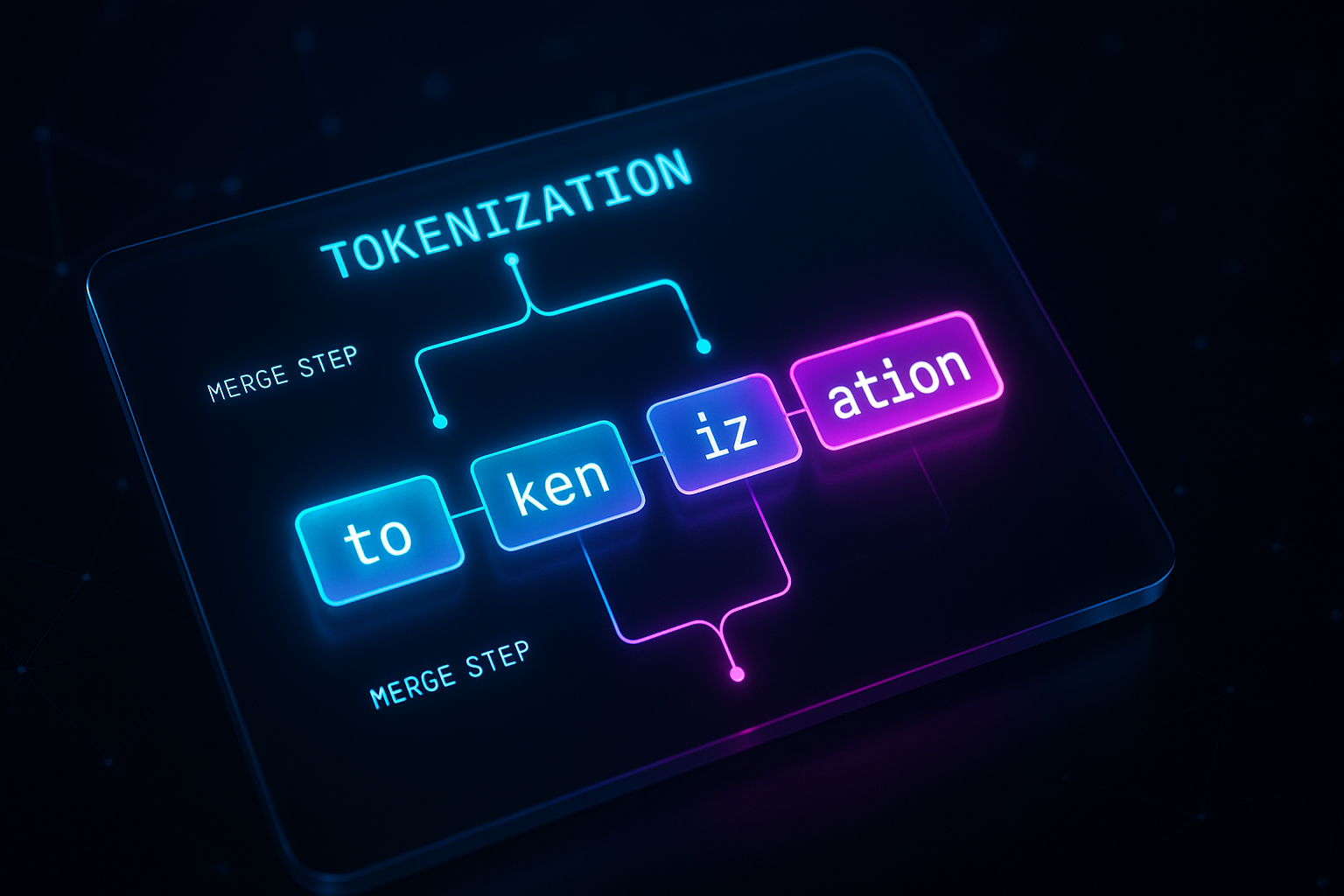
Byte-pair encoding (BPE) merge animator
LIVE · THE BASICS
Tokenization
Models never see text — they see integer ids carved out by a merge algorithm that ran once, long before you typed anything.
Byte-pair encoding (BPE) merge animator
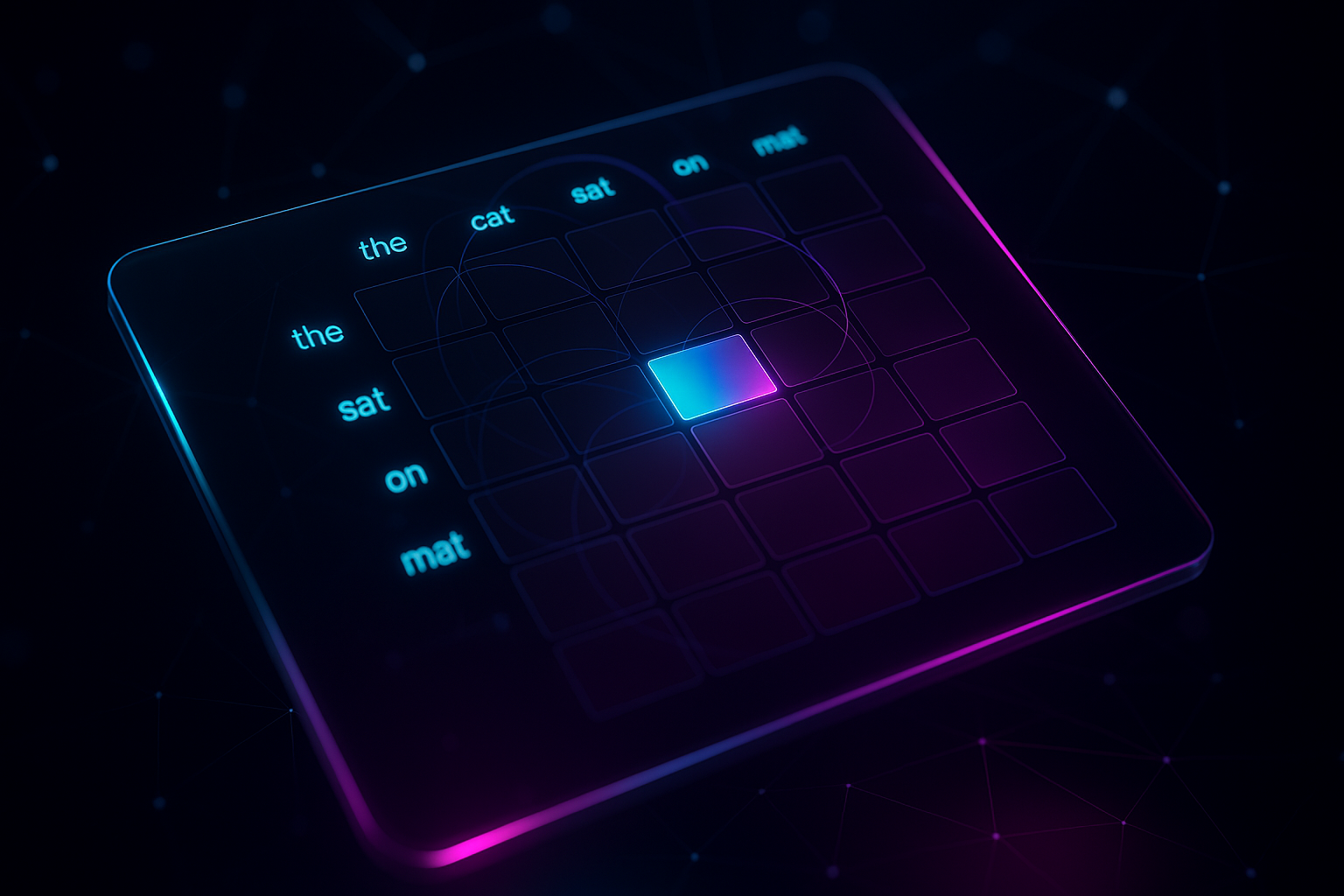
Q·K → scale → softmax → ΣV, stepped
LIVE · THE BASICS
Attention
Every token rewrites itself as a weighted blend of the tokens it decides are relevant — and the weights are just scaled dot products run through a softmax.
Q·K → scale → softmax → ΣV, stepped
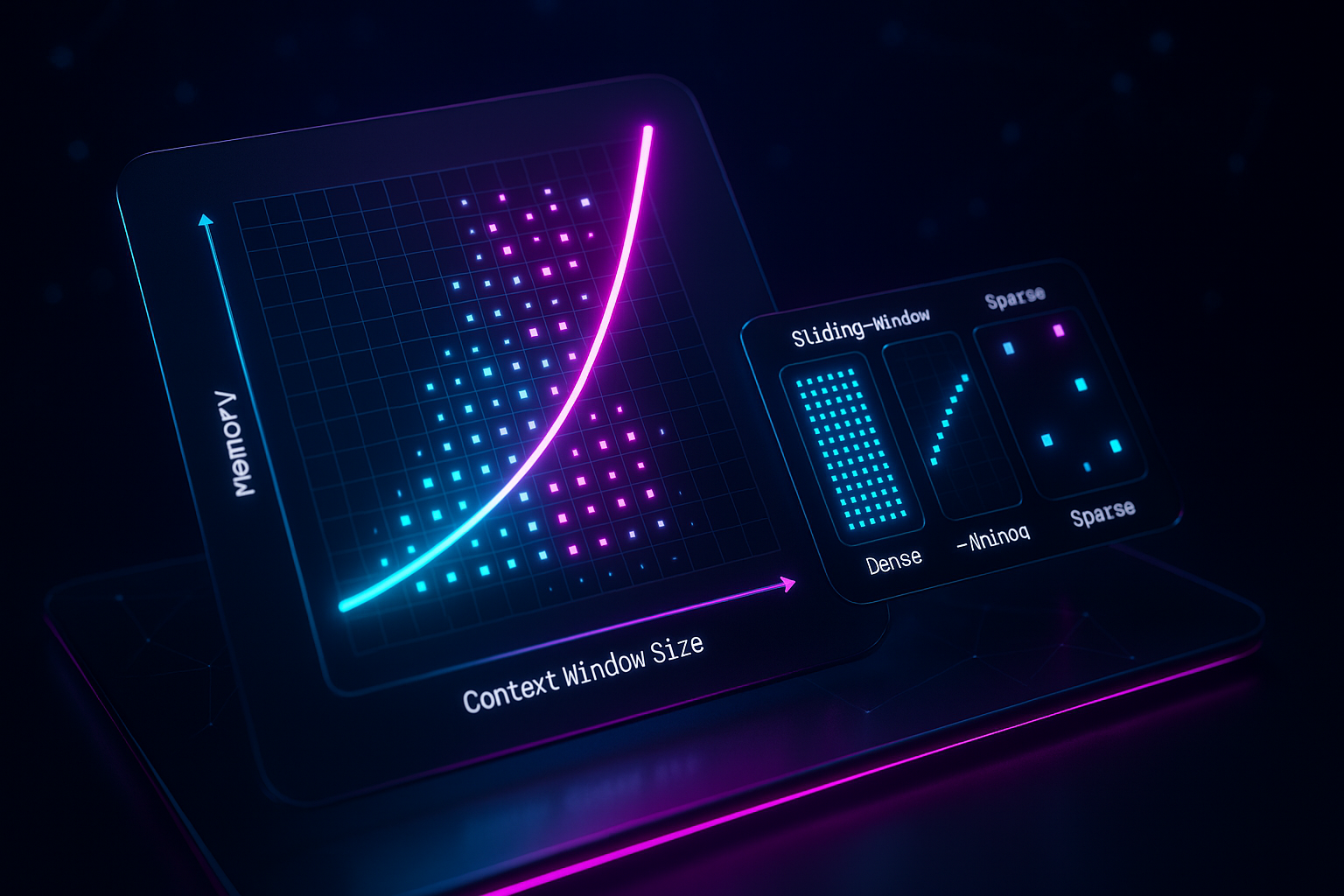
Quadratic cost explorer
LIVE · THE BASICS
Context Window
Attention is all-pairs, so doubling the context quadruples the cost — the wall every long-context trick is trying to climb.
Quadratic cost explorer
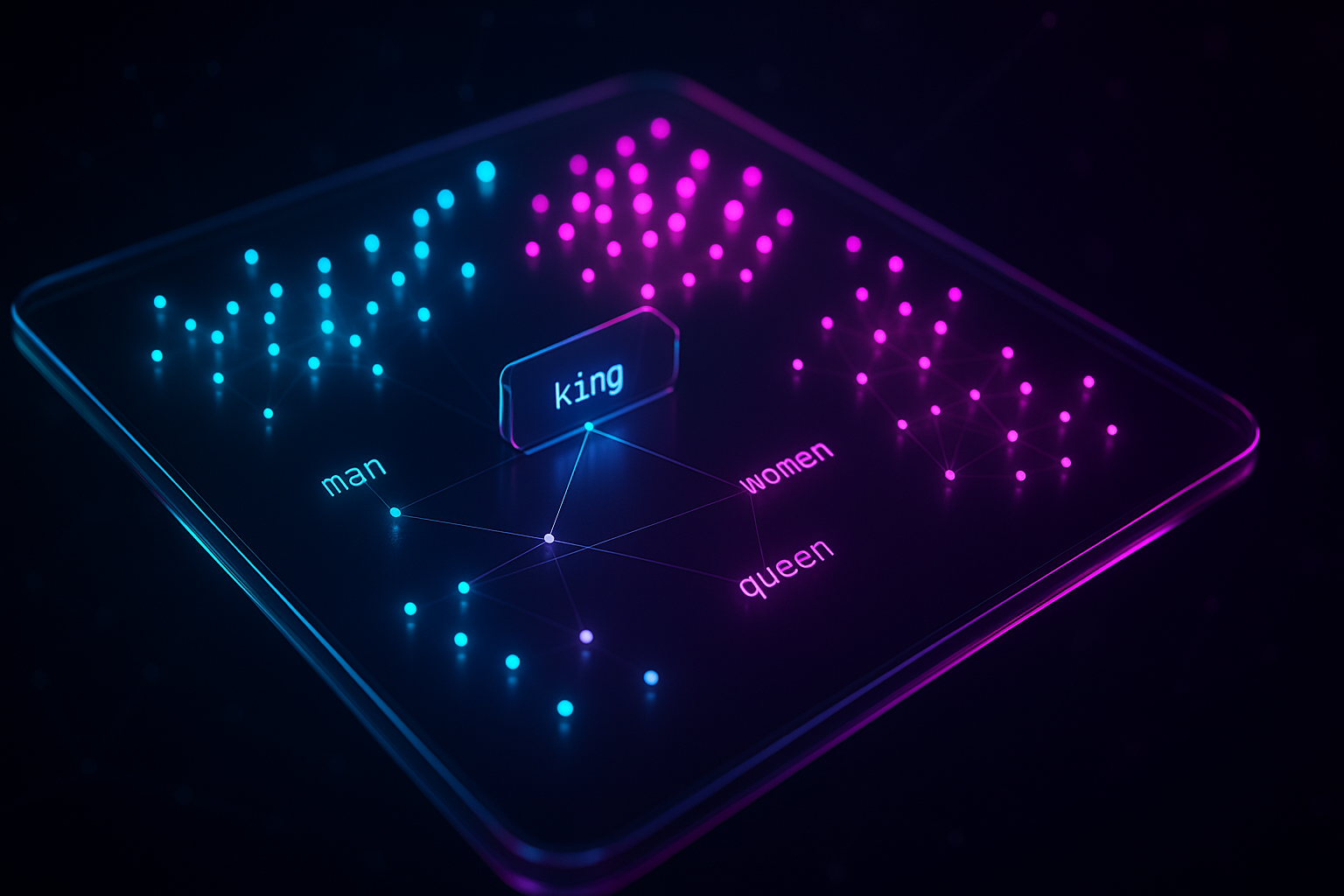
2D projection + nearest-neighbor search
LIVE · THE BASICS
Embeddings
A lookup table that starts as noise and ends up encoding meaning as geometry — direction is semantics.
2D projection + nearest-neighbor search
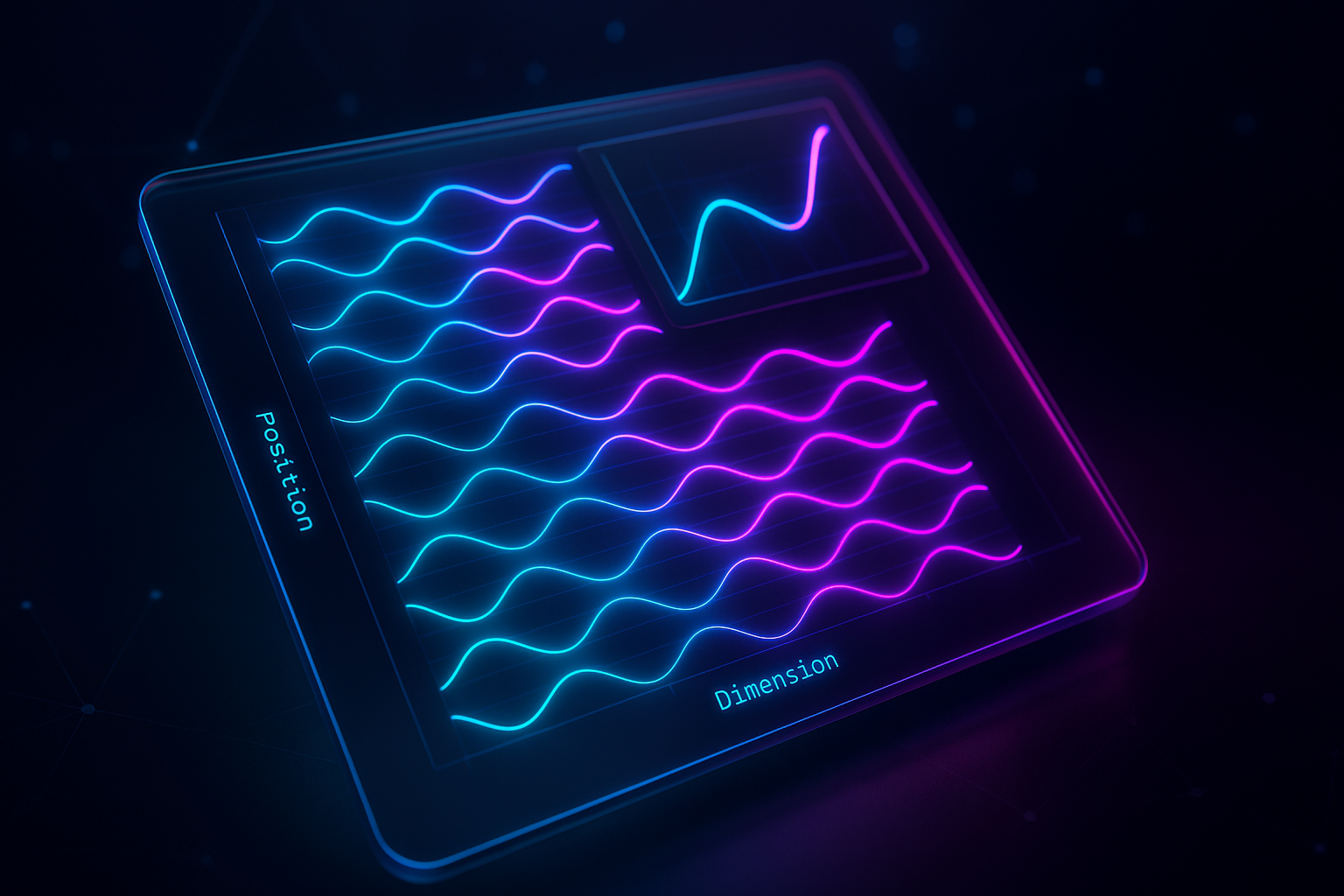
Sinusoid heatmap + RoPE/ALiBi compare
LIVE · THE BASICS
Positional Encoding
Attention is order-blind by construction, so position has to be injected — as stacked sine waves, learned vectors, or rotations.
Sinusoid heatmap + RoPE/ALiBi compare
02

Fine-tuning

Adapting a frozen base model without breaking what it already knows.
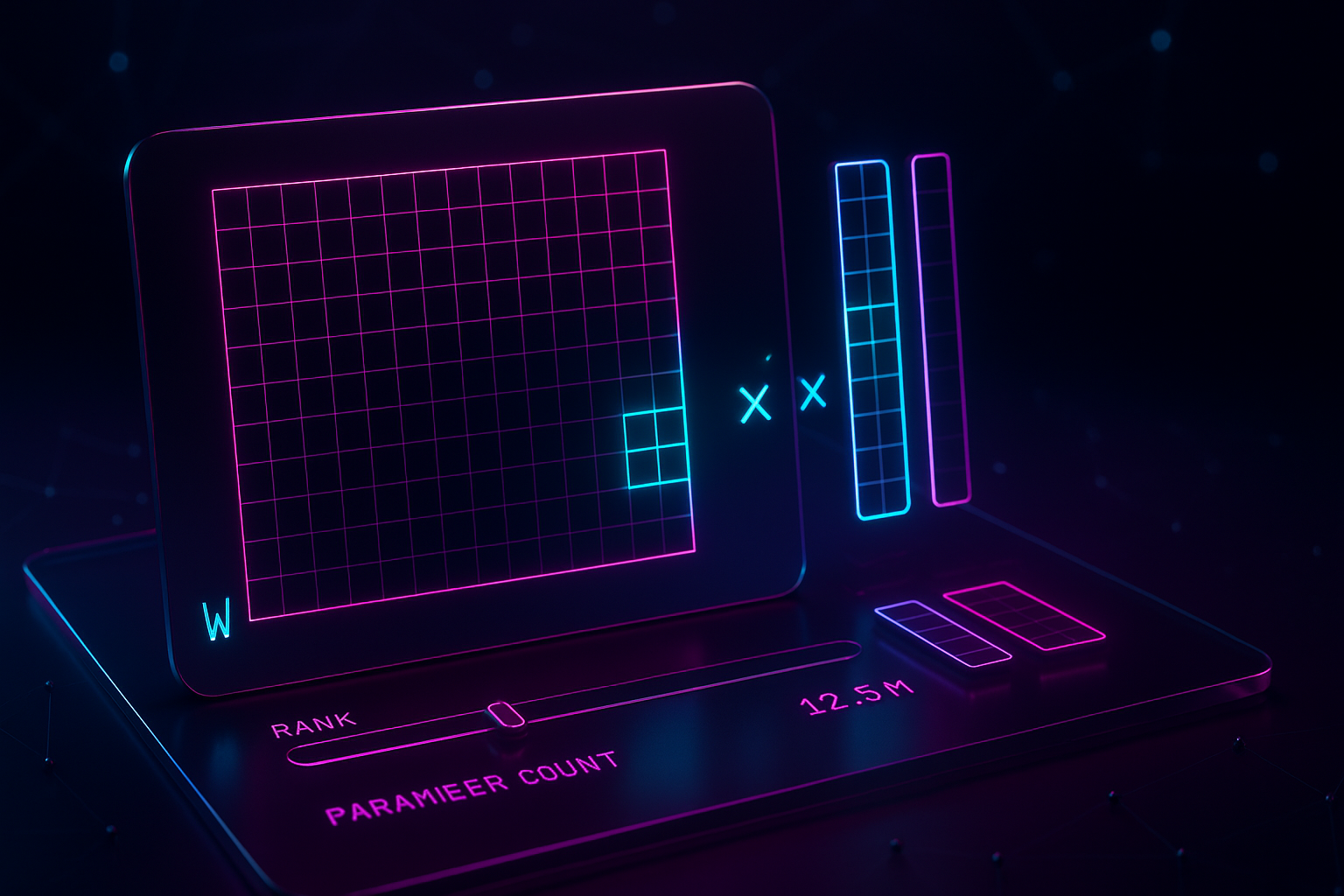
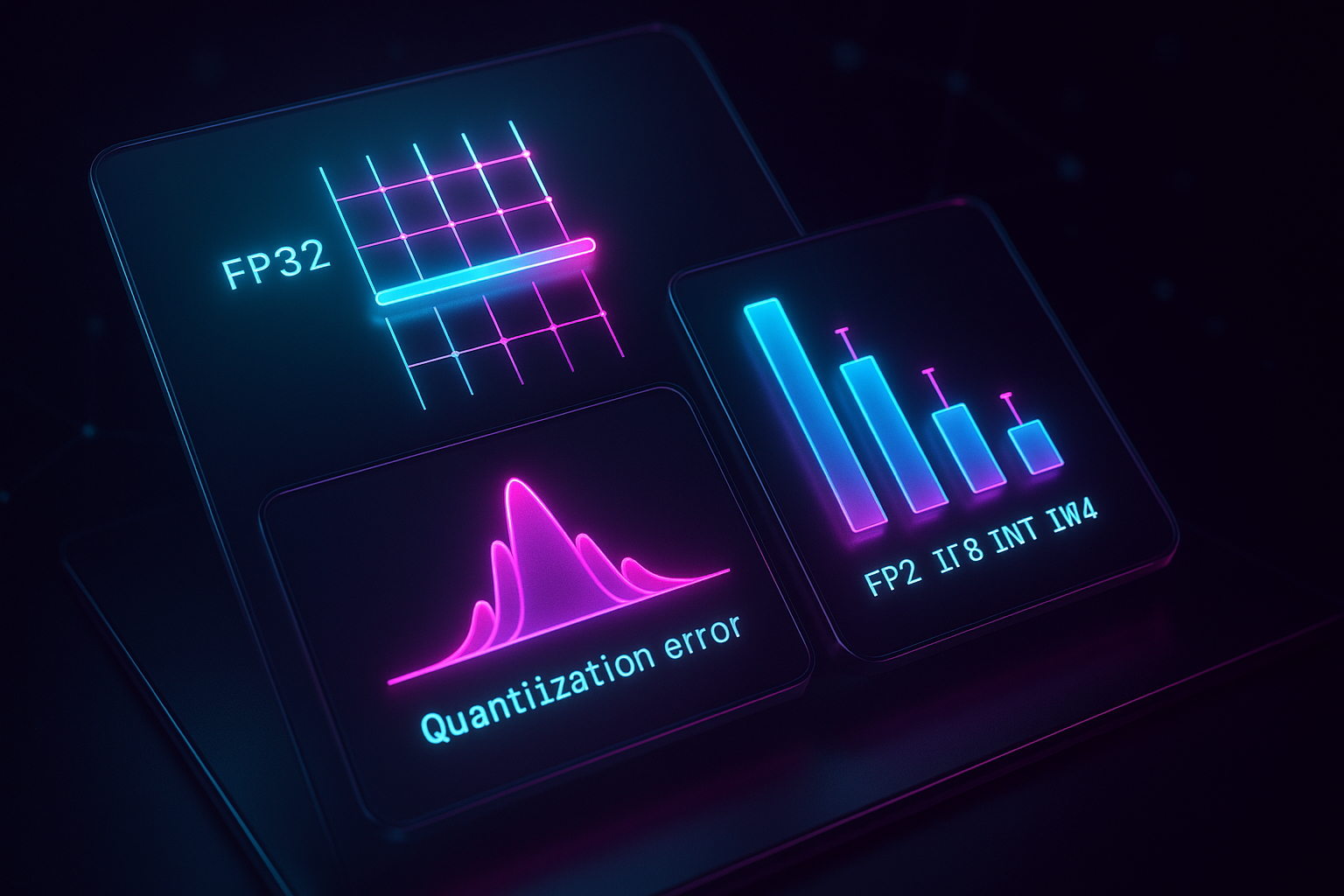
W + B·A decomposition, rank slider
LIVE · FINE-TUNING
LoRA
You don’t need to move all 768×768 weights — a rank-8 detour through B·A captures the update with ~2% of the parameters.
W + B·A decomposition, rank slider
fp32→int4 rounding + memory bars
LIVE · FINE-TUNING
QLoRA
Quantize the frozen base to 4-bit, keep the tiny adapters in full precision — fine-tune a 65B model on one GPU.
fp32→int4 rounding + memory bars
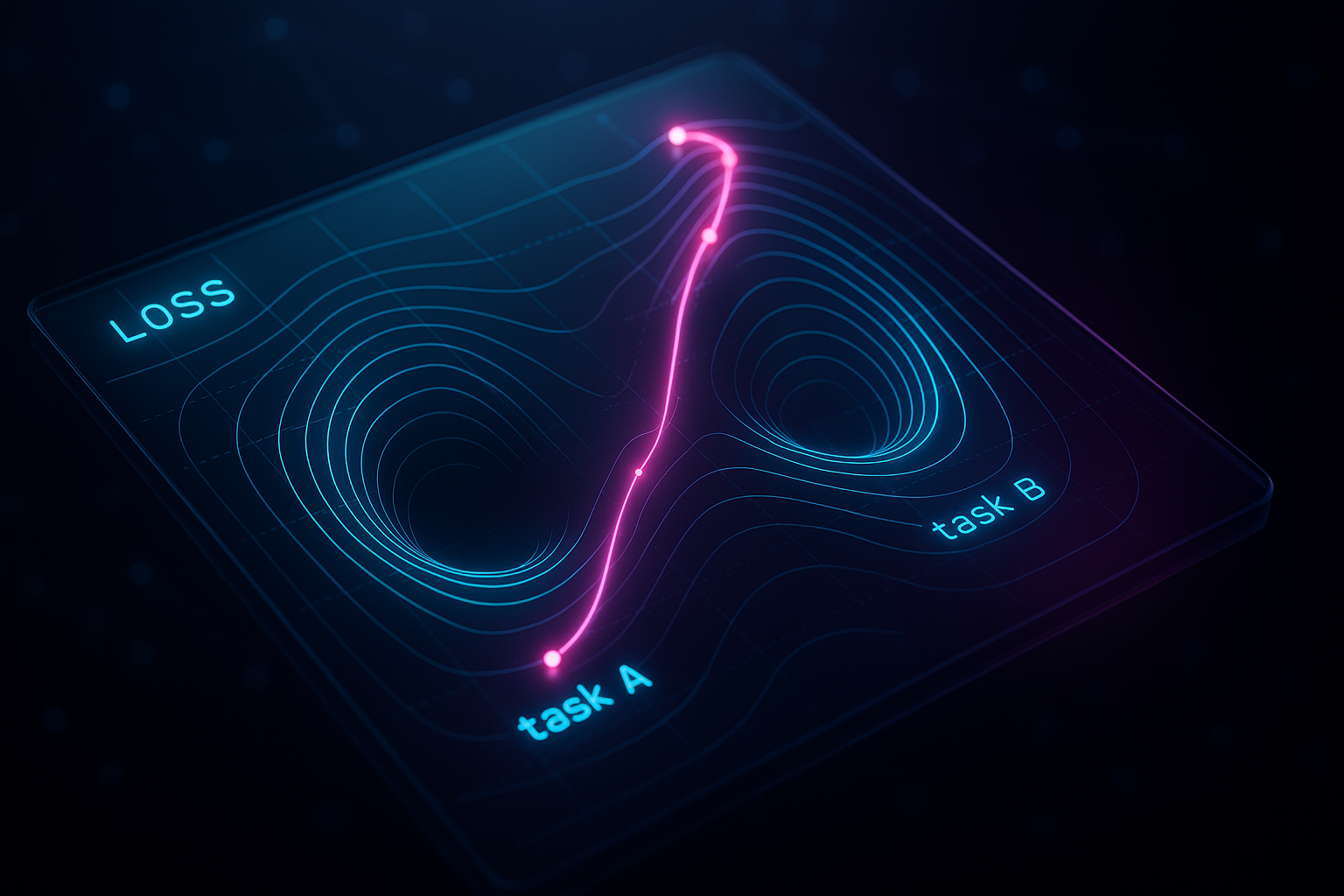
2D loss-landscape drift animation
LIVE · FINE-TUNING
Catastrophic Forgetting
Chase task B’s minimum with full fine-tuning and the weights walk straight out of task A’s basin.
2D loss-landscape drift animation
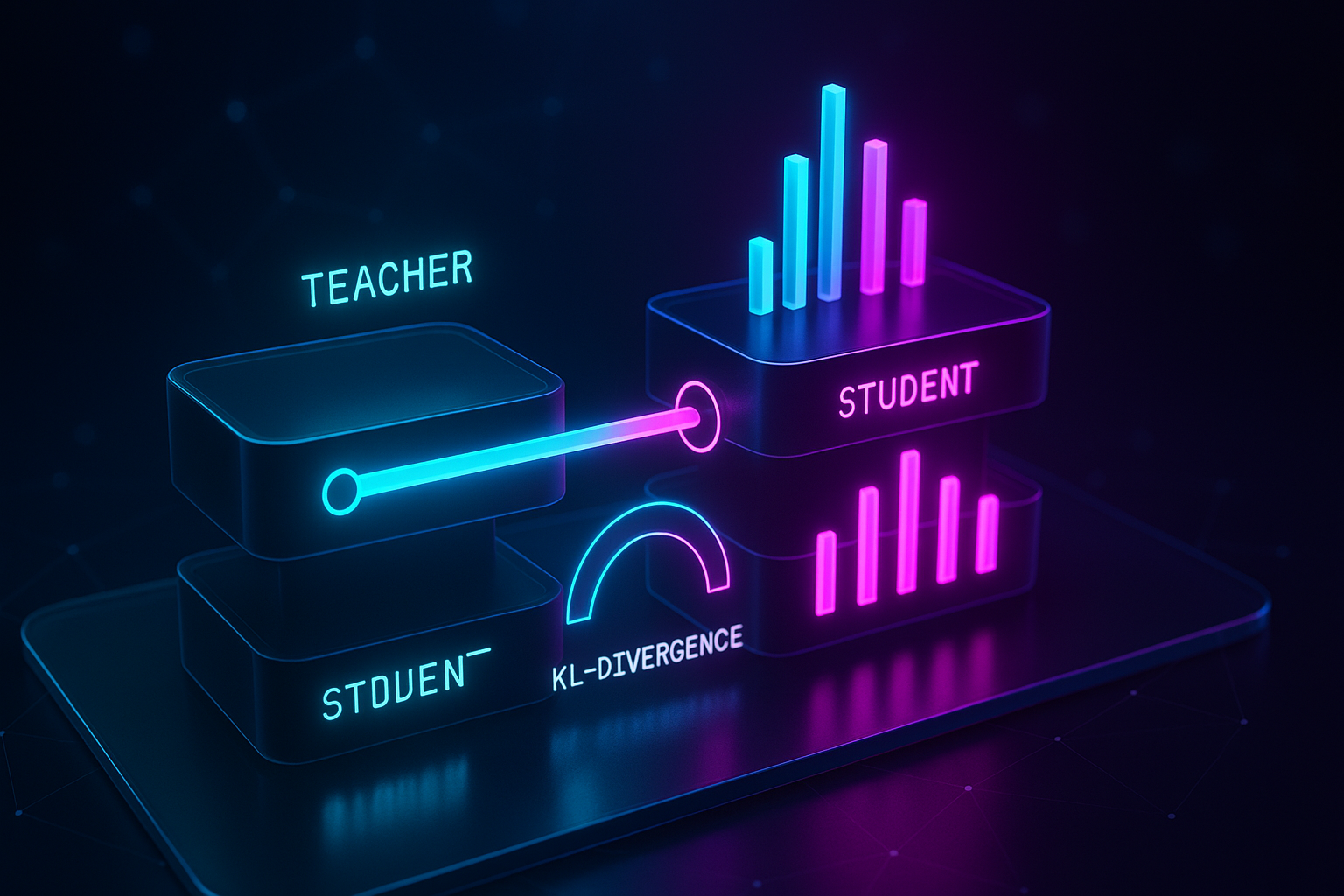
Teacher→student KL shrinking
LIVE · FINE-TUNING
Distillation
The teacher’s soft distribution carries more signal than the hard label — the student learns the dog-vs-cat uncertainty, not just the answer.
Teacher→student KL shrinking
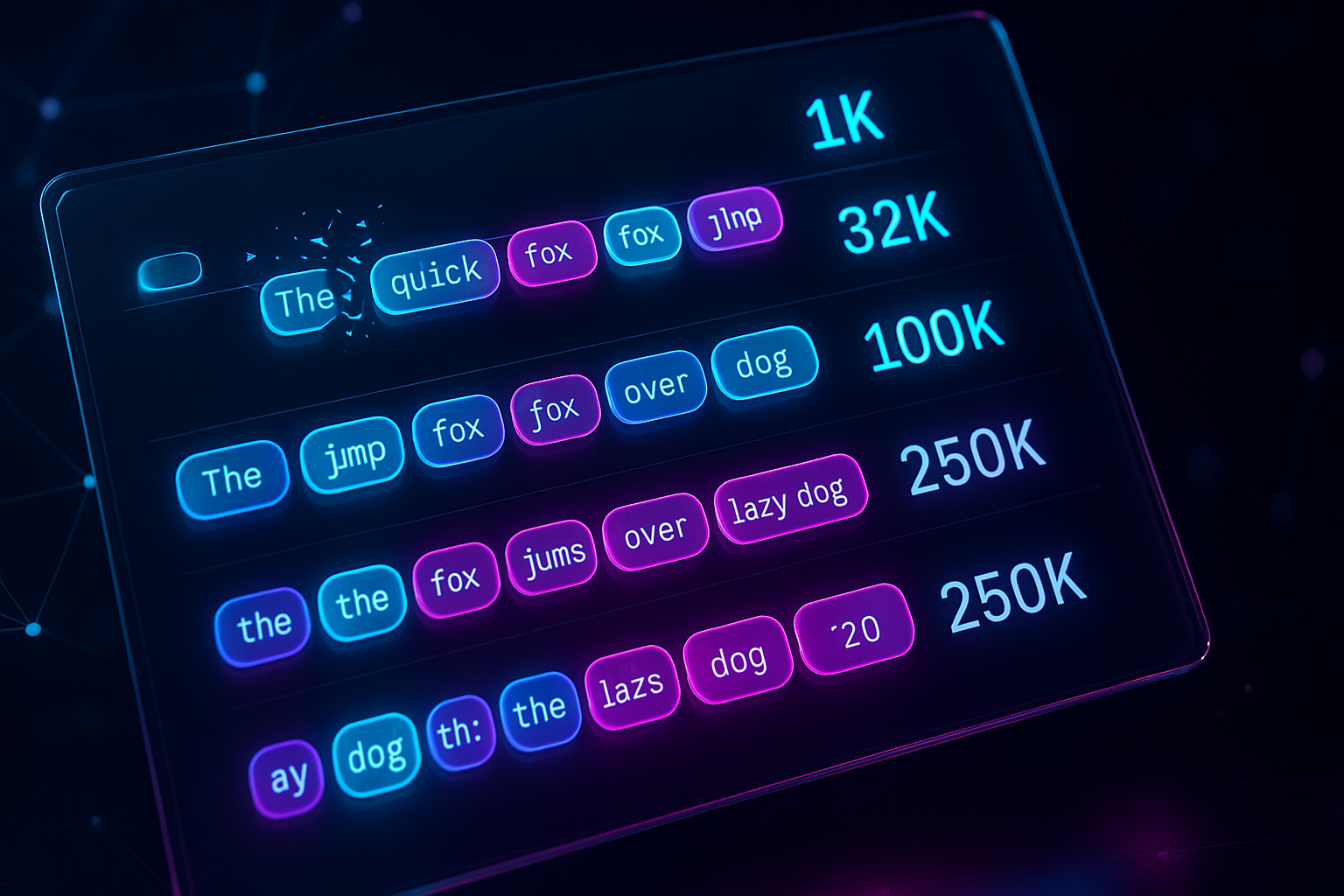
Same text, four vocab sizes
LIVE · FINE-TUNING
Vocabulary Handling
Vocab size is a dial between sequence length and embedding-table size — and it decides how a rare word shatters.
Same text, four vocab sizes
03

Generation

Turning a probability distribution into actual tokens.
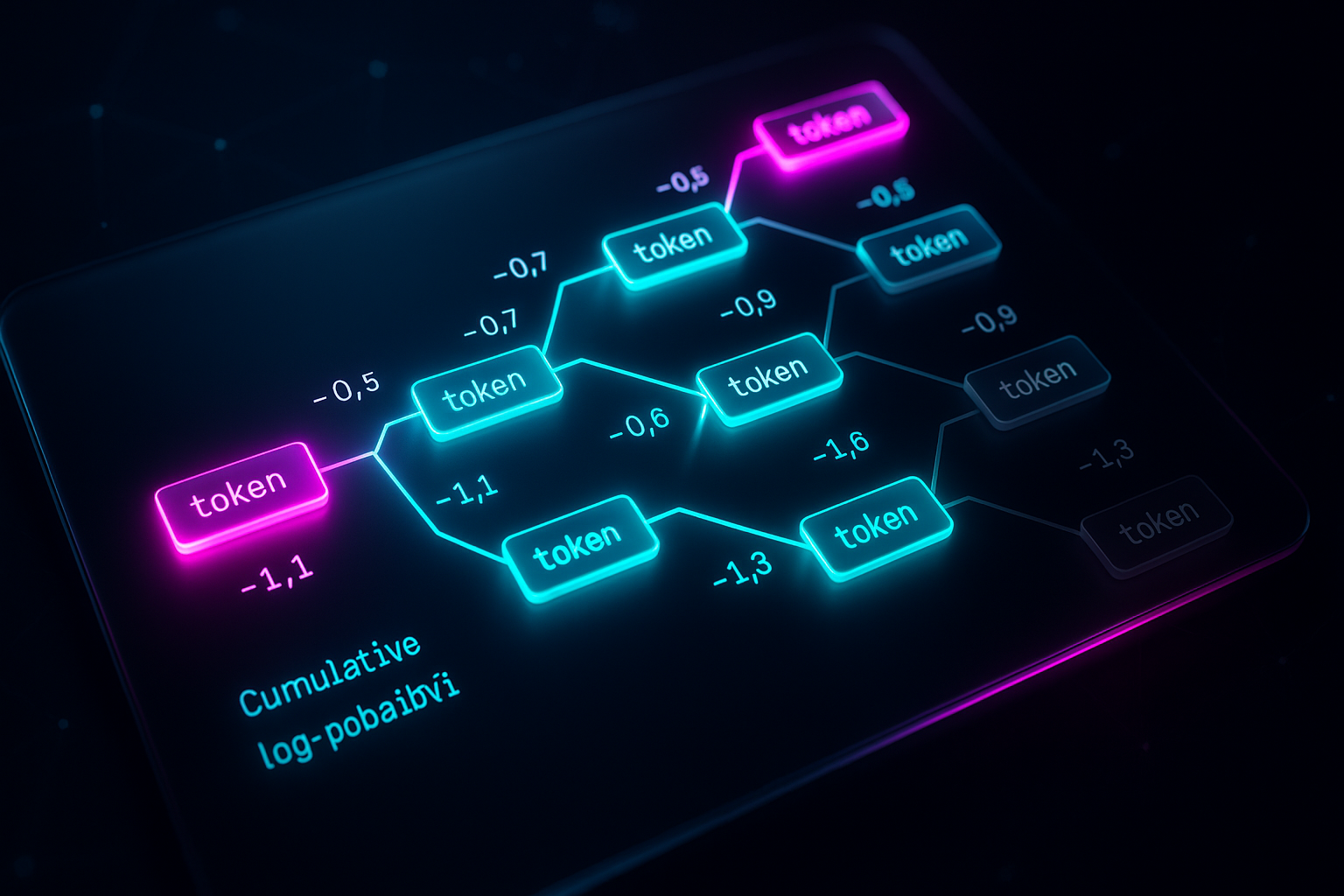
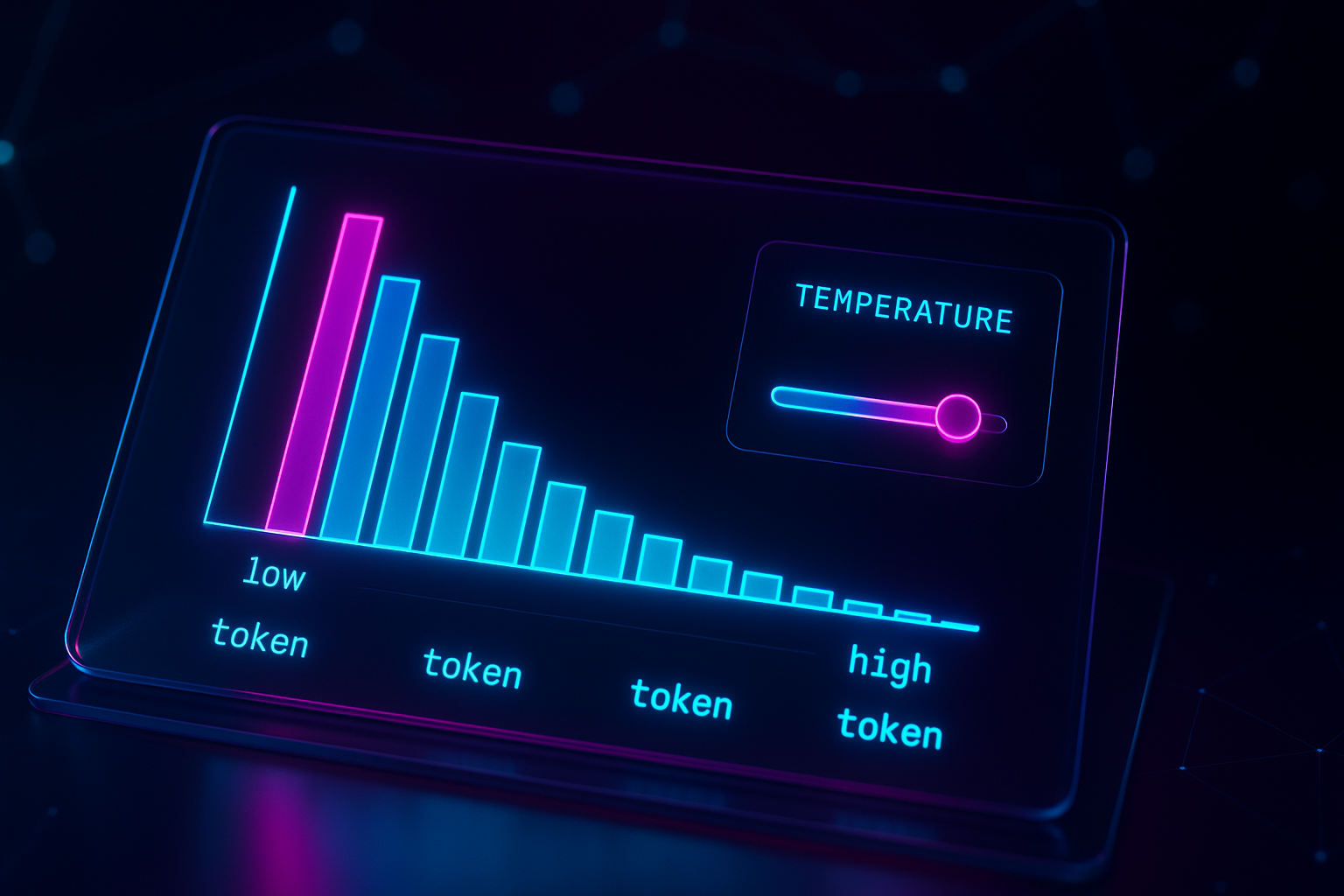
Search tree, beam-width slider
LIVE · GENERATION
Beam Search vs Greedy
Greedy commits to the locally-best token and can’t take it back; beam keeps k hypotheses alive to escape that trap.
Search tree, beam-width slider
Distribution reshape + live samples
LIVE · GENERATION
Temperature
One scalar divides the logits before softmax — and reshapes the entire next-token distribution from spiky to flat.
Distribution reshape + live samples
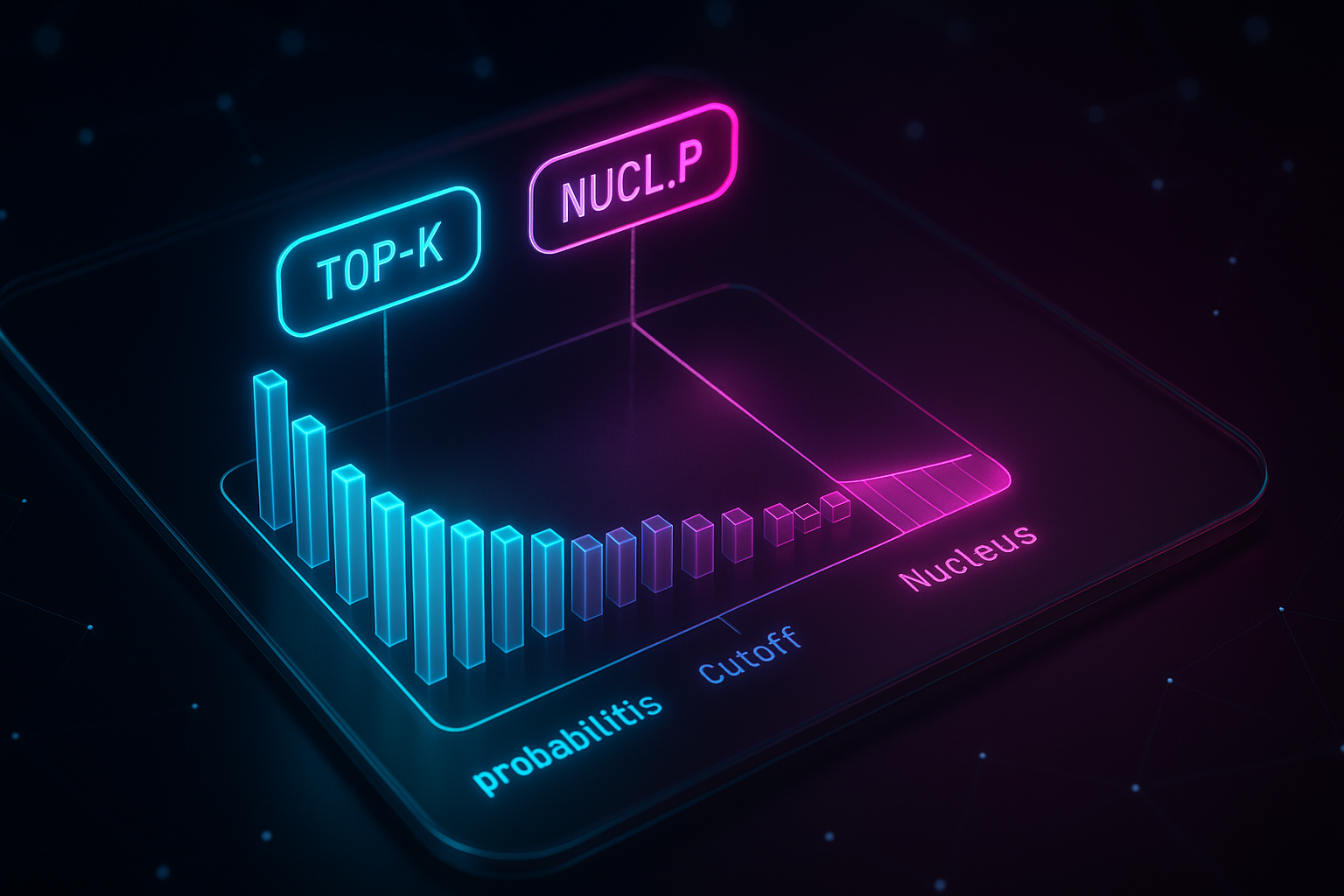
Truncation on the probability bars
LIVE · GENERATION
Top-k vs Top-p
Top-k keeps a fixed count; top-p keeps a fixed probability mass — one is rigid, one adapts to how confident the model is.
Truncation on the probability bars
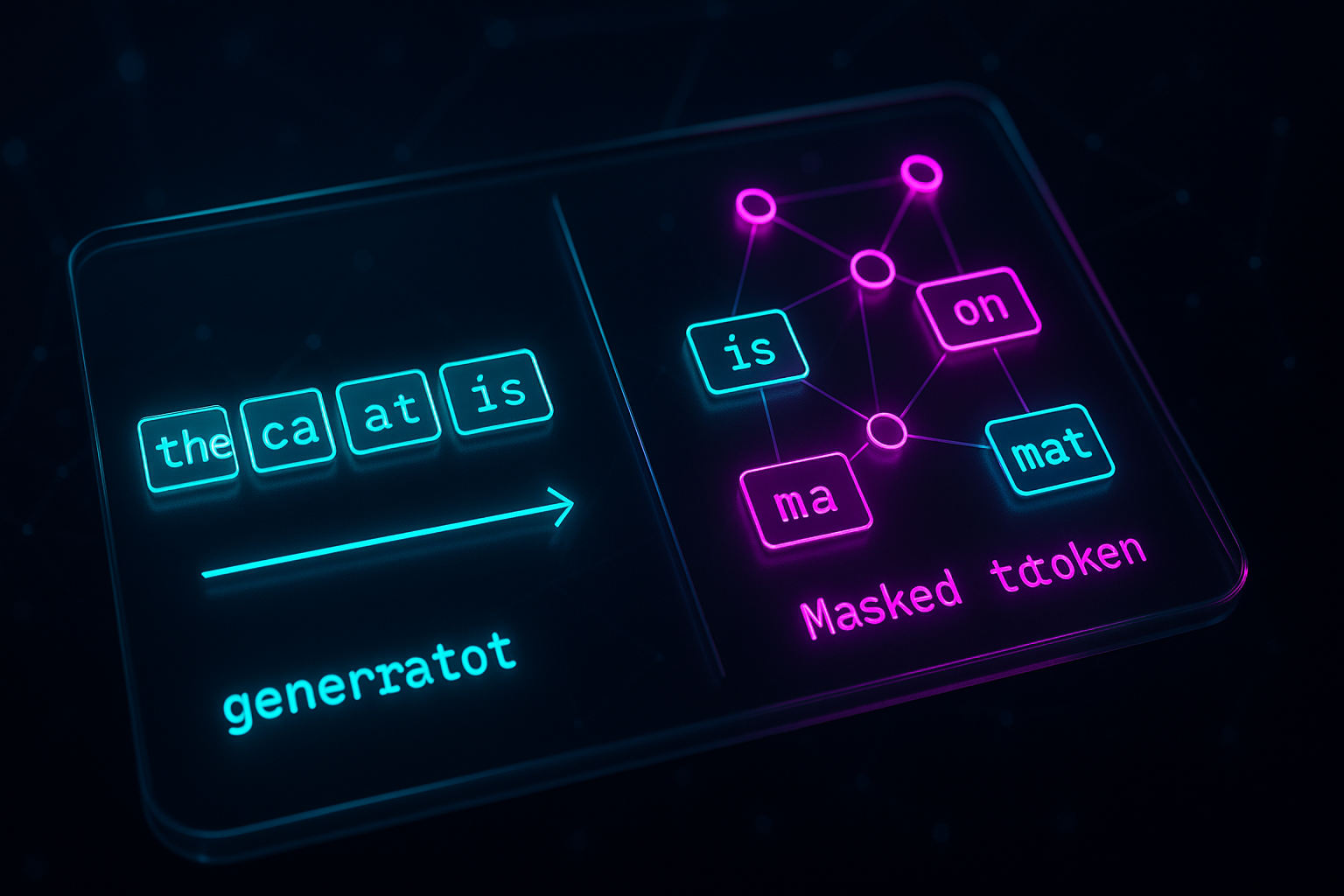
Parallel left-to-right vs fill-in
LIVE · GENERATION
Autoregressive vs Masked
Same transformer block, two training objectives: predict the next token left-to-right, or fill blanks using both sides.
Parallel left-to-right vs fill-in
04

Advanced Concepts

Retrieval, reasoning, routing, and in-context learning.
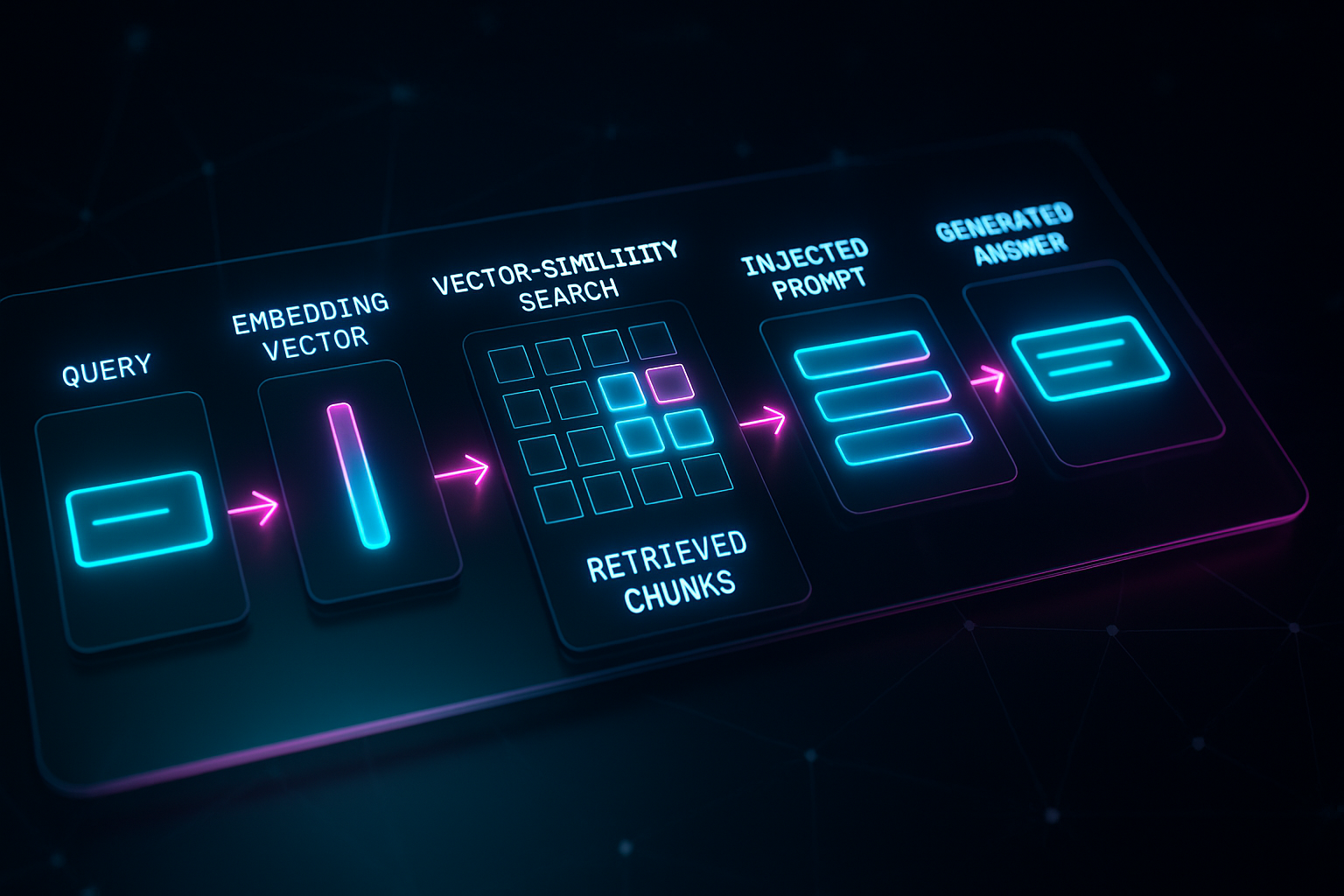
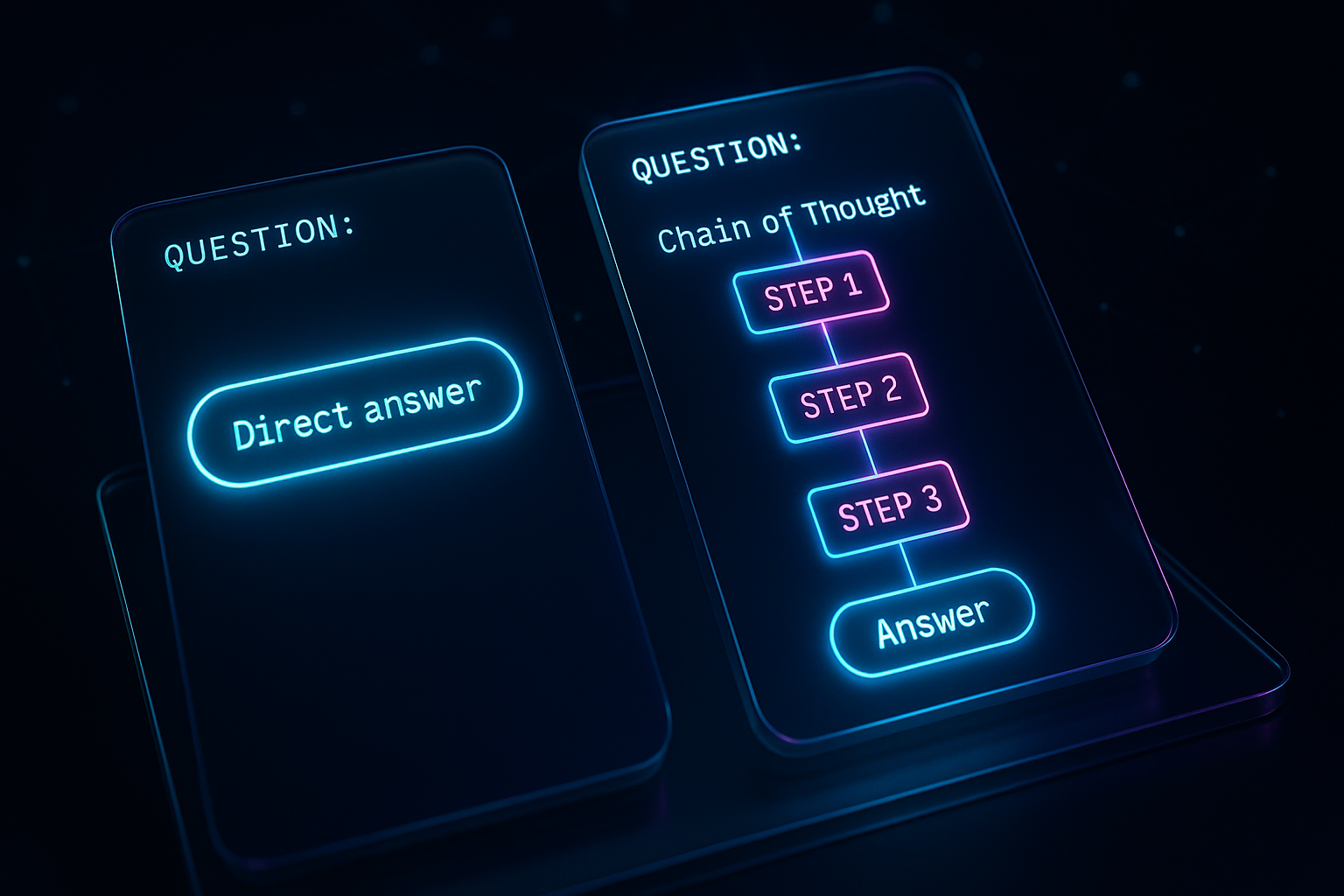
Retrieve→inject→generate pipeline
LIVE · ADVANCED CONCEPTS
RAG
Don’t bake the knowledge into weights — retrieve it at query time and paste it into the prompt. The failure mode is the lesson.
Retrieve→inject→generate pipeline
Direct vs step-by-step, side by side
LIVE · ADVANCED CONCEPTS
Chain-of-Thought
The intermediate tokens aren’t decoration — each step becomes context that anchors the next, turning one hard hop into many easy ones.
Direct vs step-by-step, side by side
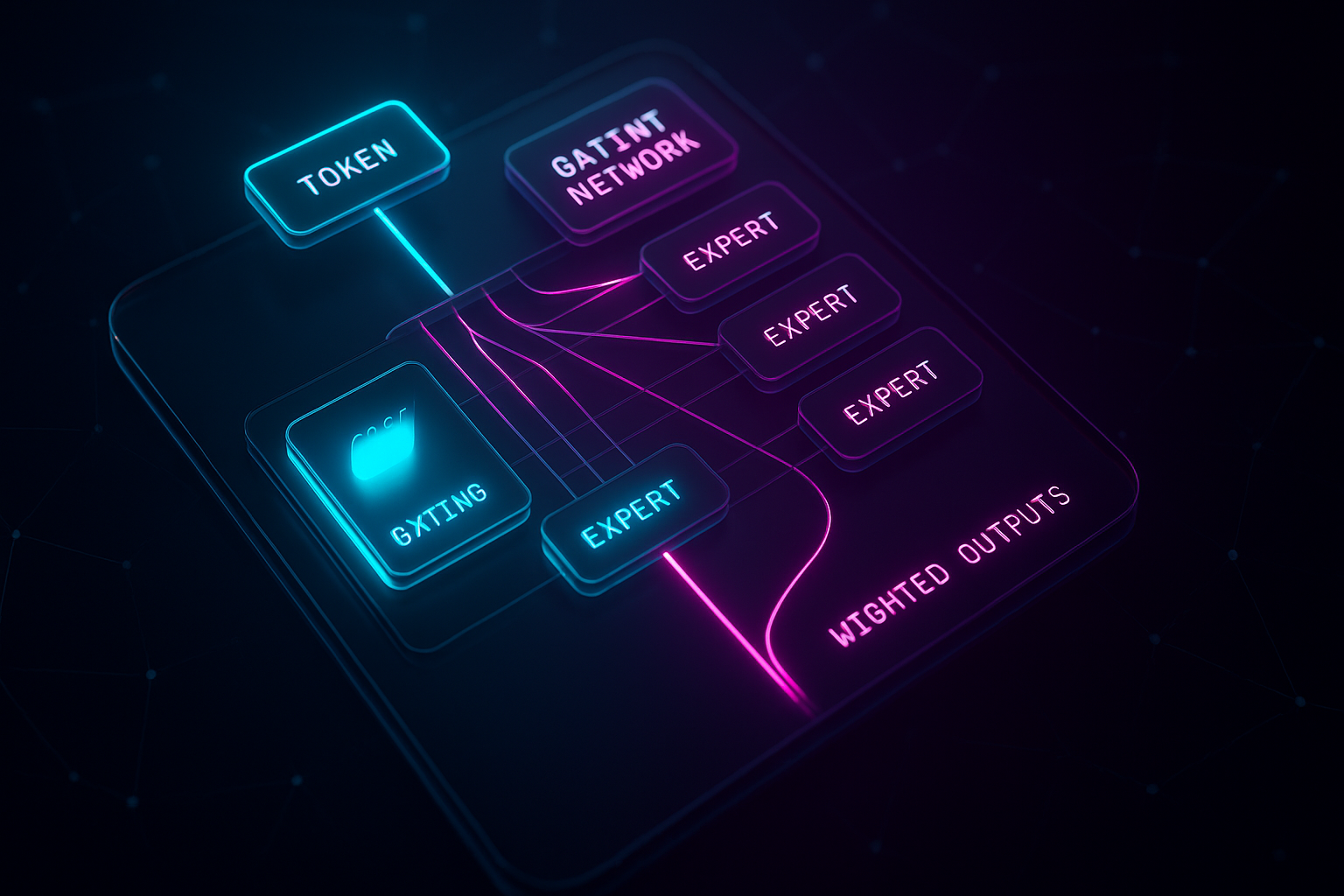
Per-token gating + expert activation
LIVE · ADVANCED CONCEPTS
Mixture of Experts
A gating network routes each token to a few experts out of many — more parameters, roughly constant compute per token.
Per-token gating + expert activation
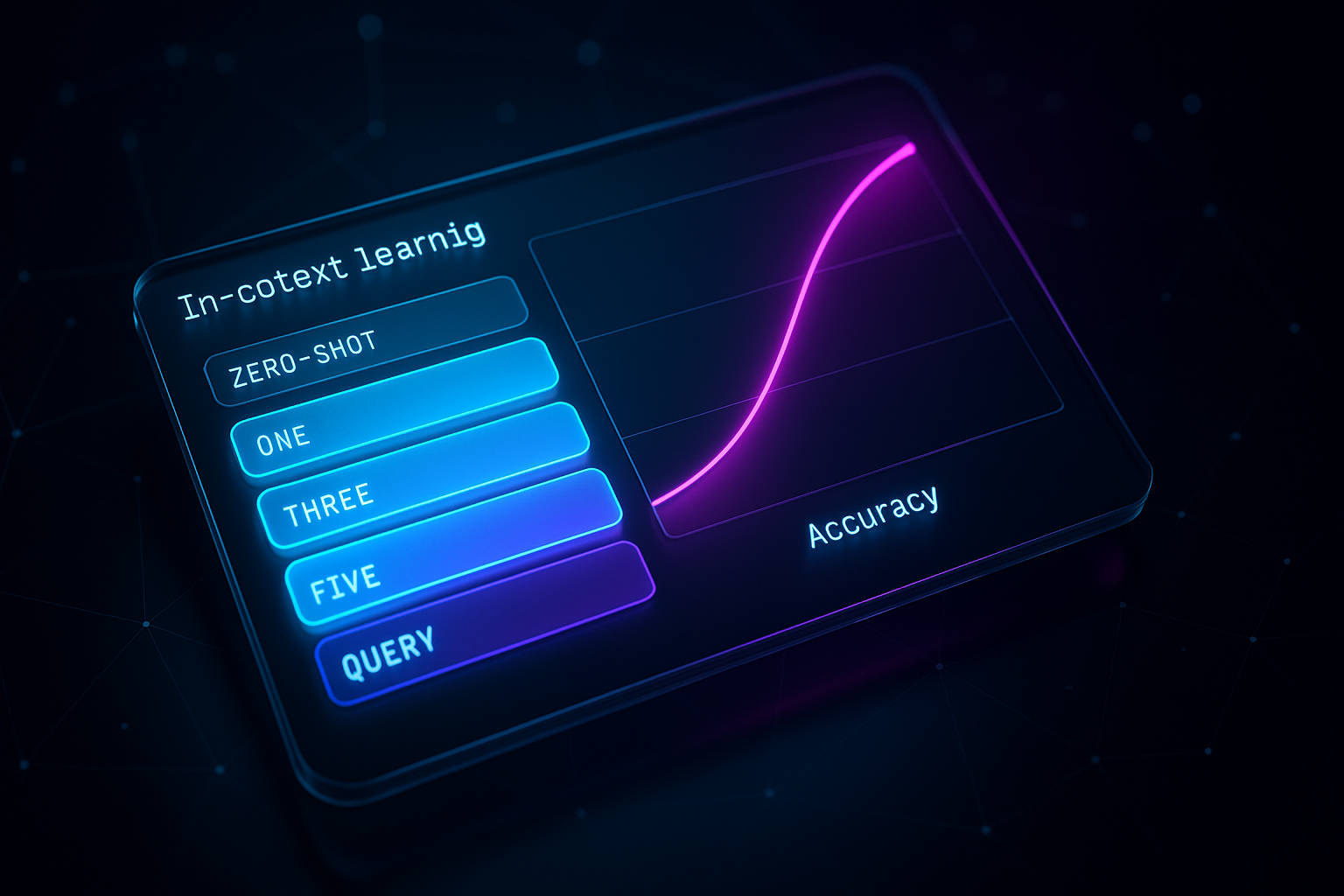
Prompt builder + accuracy curve
LIVE · ADVANCED CONCEPTS
Zero-shot vs Few-shot
Examples in the prompt are weight-free learning — accuracy climbs as you spend context on demonstrations.
Prompt builder + accuracy curve
05

Math

The handful of functions that everything above is built on.
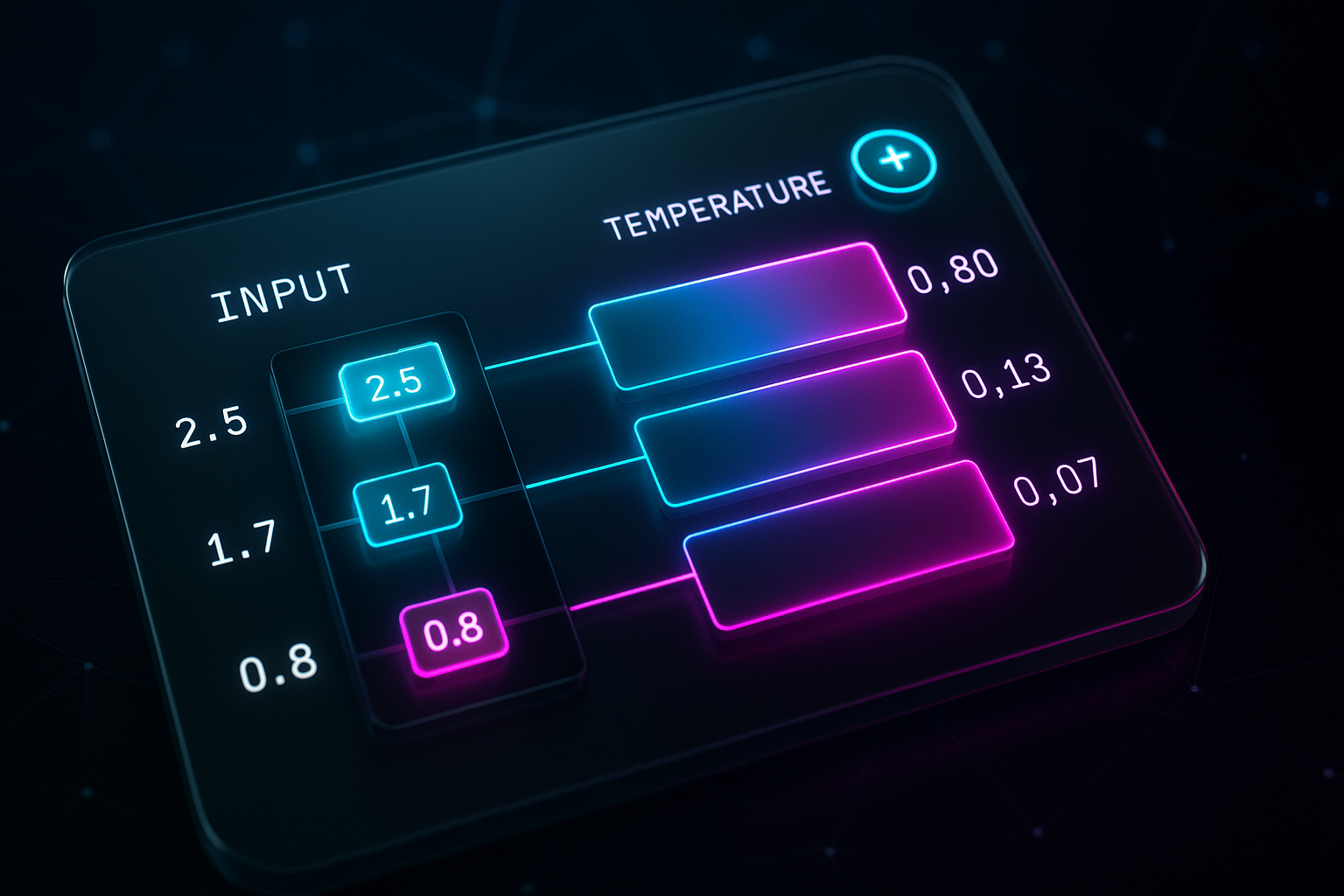
Draggable score bars + temperature
LIVE · MATH
Softmax
The function that turns any vector of scores into a probability distribution — and exaggerates the winner on the way.
Draggable score bars + temperature
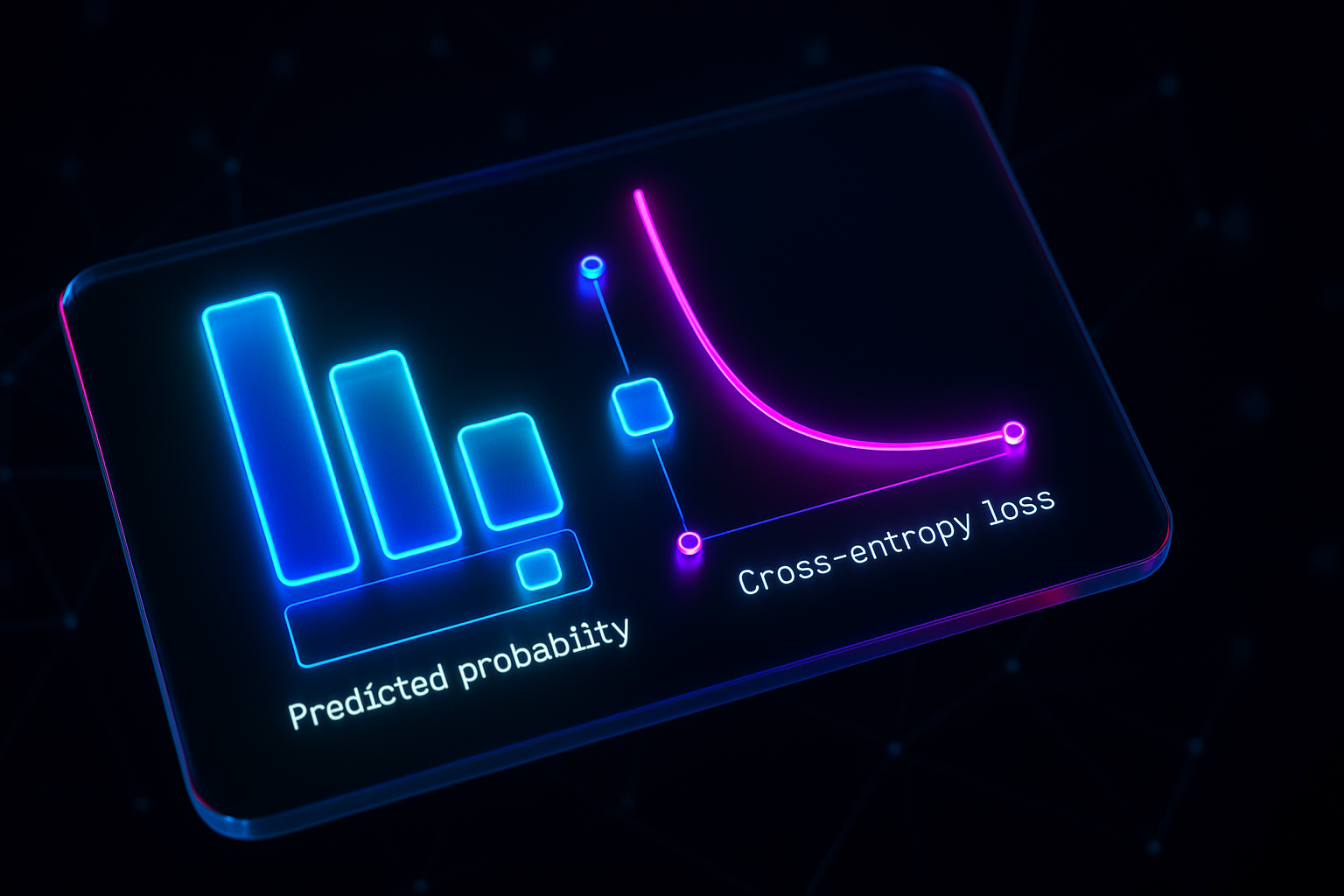
Drag p(correct), watch −log p
LIVE · MATH
Cross-entropy Loss
The loss is just the negative log of the probability you put on the right answer — and the log is why being confidently wrong is catastrophic.
Drag p(correct), watch −log p
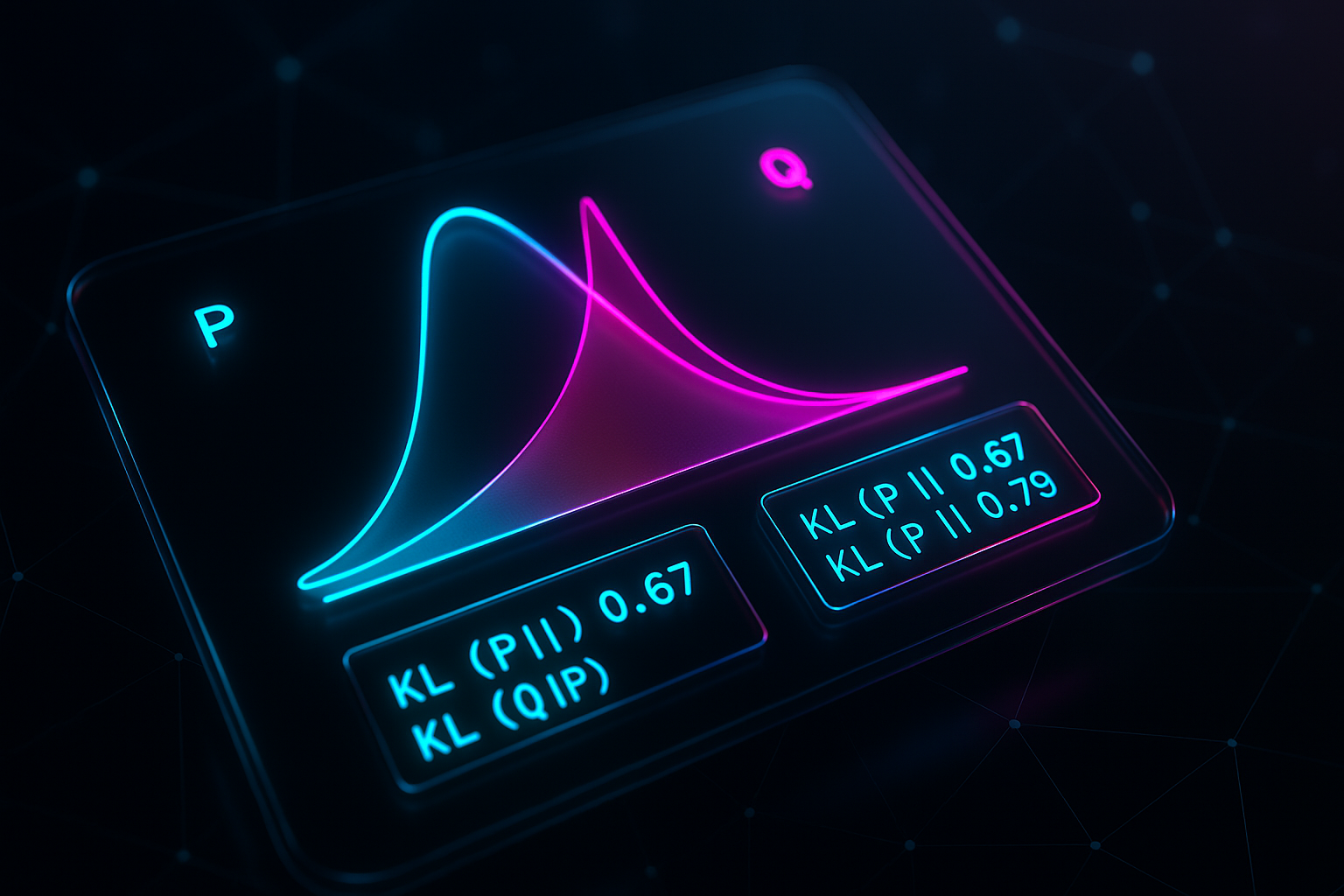
Reshape P, Q — watch the asymmetry
LIVE · MATH
KL Divergence
A directed distance between two distributions — asymmetric on purpose, and lurking inside RLHF, distillation, and VI.
Reshape P, Q — watch the asymmetry
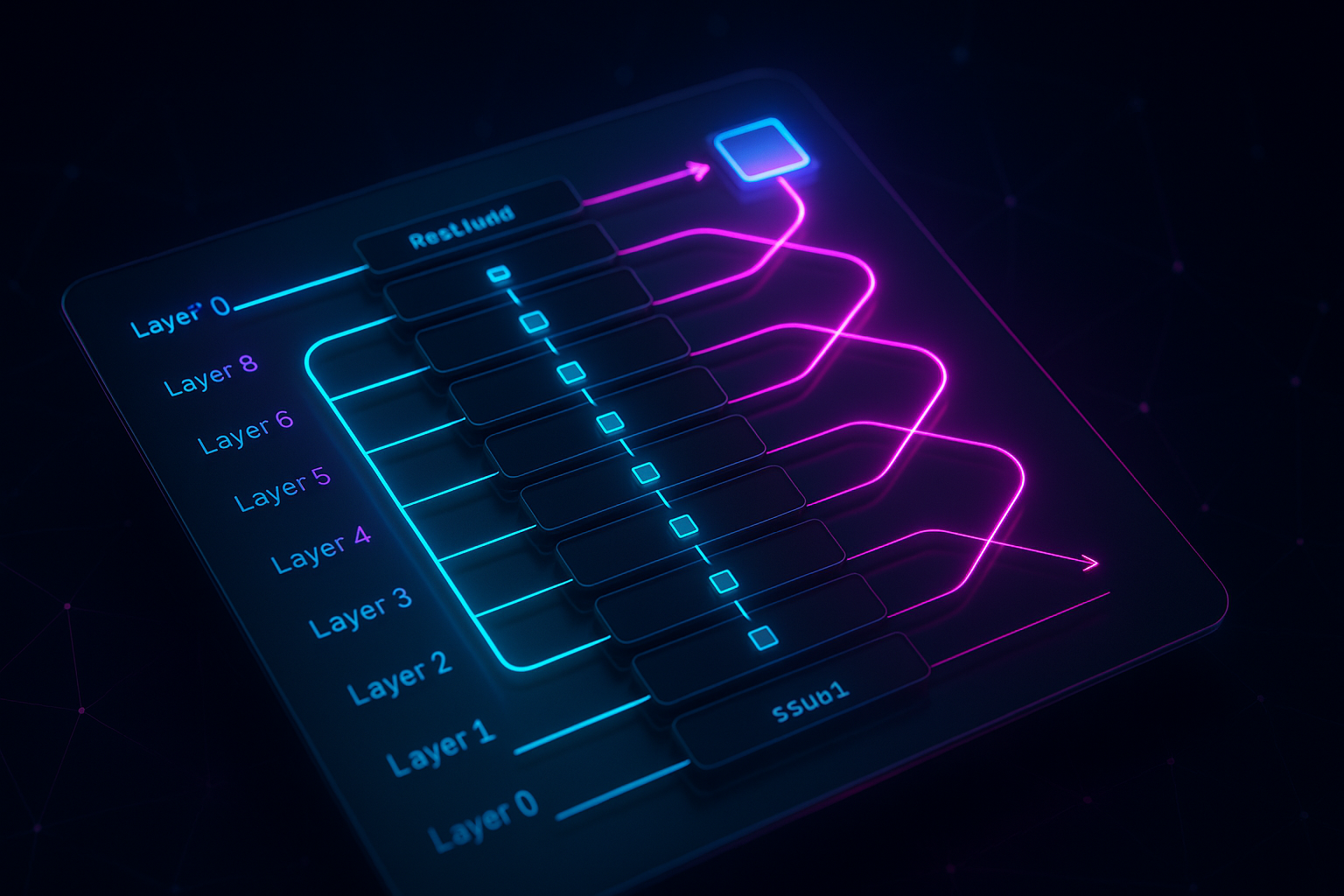
20-layer gradient flow, residual toggle
LIVE · MATH
Vanishing Gradients
Stack enough layers and the backward signal decays to nothing — residual connections are the highway that let it survive.
20-layer gradient flow, residual toggle